
Water Softener vs Water Filter for San Antonio: Which Does Your Home Need?
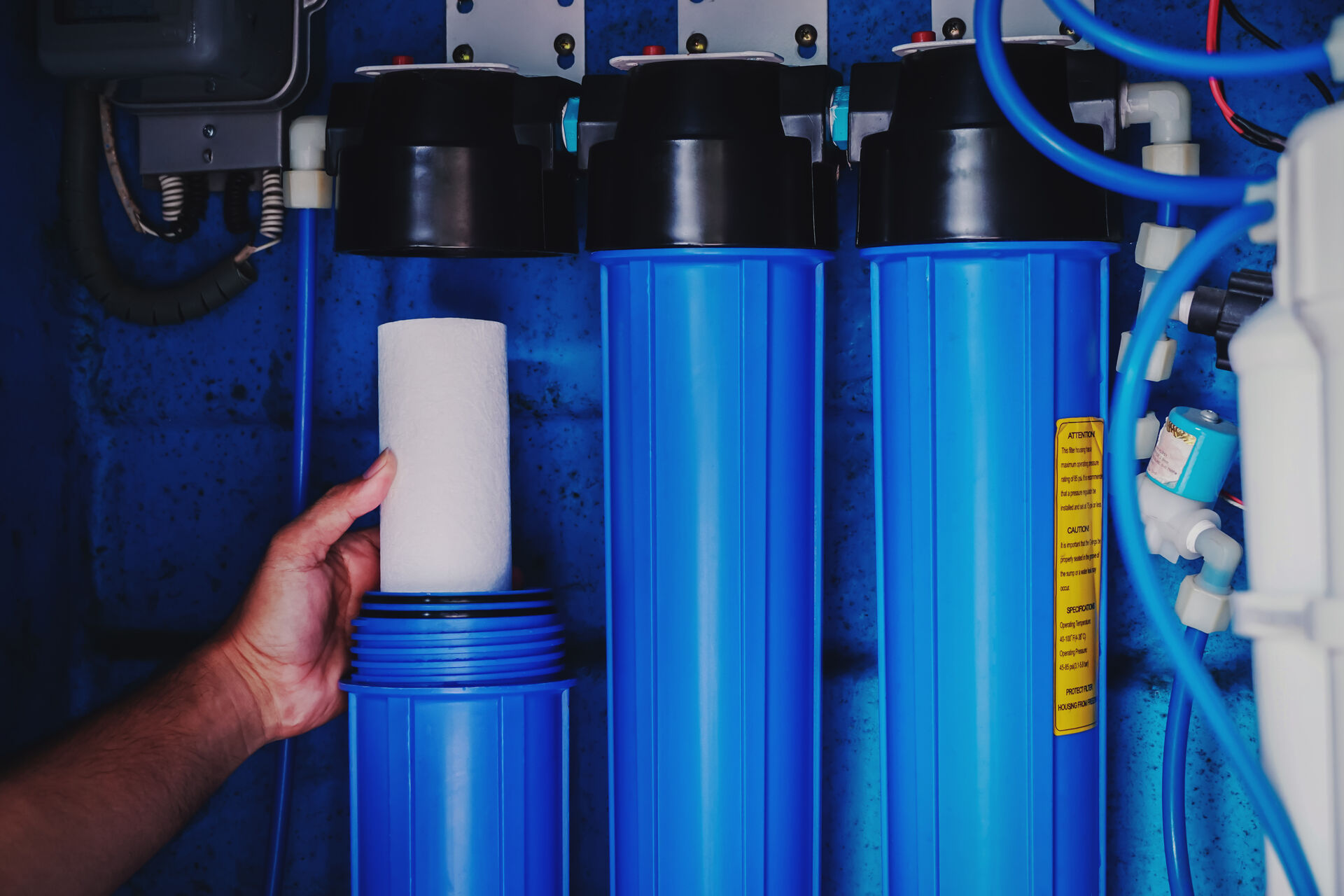
A water softener and a water filter solve different problems, and San Antonio homes often benefit from both. A water softener uses ion exchange to remove calcium and magnesium, the minerals responsible for San Antonio's hard water at 15 to 20 grains per gallon. A whole home carbon filtration system removes chlorine, chloramines, sediment, and volatile organic compounds but does not soften water. Neither system does what the other does. For most San Antonio homeowners on SAWS water, the right starting point is a water softener, because hardness is the primary problem that damages appliances, plumbing, and quality of life. A carbon filtration stage can be added downstream for chloramine reduction. An under-sink reverse osmosis system completes the stack, providing the purest possible drinking water by removing residual minerals and disinfection byproducts at the kitchen tap. A free water test from True H2O at (210) 726-6895 gives you a data-driven answer specific to your tap.
What is the difference between a water softener and a water filter?
These two systems target entirely different contaminants using different physical processes. Confusing them leads to buying the wrong equipment for your actual problem.
A water softener removes hardness minerals (calcium and magnesium) through a process called ion exchange. Hard water passes through a tank filled with negatively charged resin beads. Calcium and magnesium ions, which carry a positive charge, bind to the resin and are exchanged for sodium ions. The result is softened water throughout the home. Softeners do not remove chlorine, bacteria, nitrates, heavy metals, or any contaminants other than the mineral ions they exchange. They do not make water safer to drink from a regulatory standpoint.
A water filter removes specific contaminants through physical or chemical processes. Sediment filters use mechanical filtration to trap particles, rust, sand, and silt. Carbon filters use activated carbon to adsorb chlorine, chloramines, volatile organic compounds, and many taste-and-odor causing substances. Reverse osmosis membranes push water through a semi-permeable membrane that blocks contaminants at the molecular level, removing dissolved minerals, heavy metals, PFAS, nitrates, fluoride, and most other dissolved substances. Whole home carbon filters do not remove hardness minerals.
The practical upshot for San Antonio: if your main problem is scale, spotting, stiff laundry, and shortened appliance life, a water softener solves it. If your main problem is chlorine taste, odor, and concern about disinfection byproducts, a whole home carbon filter addresses those. If you want the purest possible drinking water, an under-sink reverse osmosis system is the answer. These systems are complementary, not interchangeable.
See our full breakdown of reverse osmosis vs whole-house filtration for more detail on the RO decision. For the softener question specifically, visit our San Antonio water softener installation guide.
Do I need a water softener or a water filter for San Antonio water?
San Antonio's primary water quality issue is hardness at 15 to 20 grains per gallon from the Edwards Aquifer. This puts a water softener as the highest-priority treatment system for most SAWS water customers. Hard water shortens water heater life by 30 to 50 percent compared to soft water environments, causes mineral buildup in dishwashers, washing machines, and coffee equipment, and leaves residue on skin and hair that many people find uncomfortable.
A water filter alone does not address any of these problems. A carbon filtration system will improve the taste of San Antonio water by removing chloramine, which SAWS uses as its primary disinfectant and which many residents notice as a flat or chemical undertone in tap water. But a carbon filter will not stop scale from building on your shower glass, spotting your dishes, or shortening your water heater's service life.
If you are deciding between the two for budget reasons, the data for San Antonio points strongly to the water softener as the first priority. The financial return from appliance protection at local hardness levels typically justifies the softener cost within five to seven years. A carbon filtration stage can be added later for taste and disinfection byproduct reduction.
If budget allows both and you want comprehensive treatment, the recommended order is: whole home softener on the main supply line, followed by a whole home carbon filtration stage downstream of the softener for chloramine removal, followed by an under-sink RO unit at the kitchen tap for drinking water purity. This stack addresses every significant water quality concern in the San Antonio profile.
Can a water filter remove hard water minerals?
Standard water filters, including sediment filters, carbon block filters, and most whole home filtration systems, do not remove hardness minerals. Calcium and magnesium are dissolved ionic compounds. They pass through carbon filter media and sediment filter membranes without being captured.
Reverse osmosis is the exception. An RO system with a properly functioning semi-permeable membrane removes calcium, magnesium, and virtually all other dissolved minerals from the water that passes through it. However, an under-sink RO unit only treats water at one point of use, meaning it does not protect your plumbing, water heater, dishwasher, washing machine, or shower.
Salt free conditioners, sometimes marketed as water filters or water conditioners, change the crystalline structure of calcium carbonate to reduce scale adhesion on pipe surfaces. They do not remove hardness minerals from the water. The water leaving a salt free conditioner still contains the same concentration of calcium and magnesium as the water entering it. These systems are most effective as scale-reduction tools for pipes; they do not produce the same skin, hair, laundry, and dishwashing results as ion exchange softening.
For San Antonio homeowners at 15 to 20 gpg, salt free conditioners are generally not adequate substitutes for ion exchange softening. The hardness load is high enough that most users report continued scaling on glass and fixtures.
Is a water softener better than a whole-house water filter?
For San Antonio specifically, a water softener delivers more measurable benefit than a whole home carbon filter when choosing only one system. This is because San Antonio's primary water quality problem is mineral hardness, not chemical contamination. The SAWS 2024 CCR reports no MCL violations. Chloramine levels, while noticeable in taste, are within regulatory limits. Hardness at 15 to 20 gpg causes real and quantifiable damage to appliances, plumbing, and everyday water use.
A whole home carbon filter would noticeably improve San Antonio water taste and odor by removing chloramine, and it would reduce exposure to trihalomethanes and haloacetic acids (disinfection byproducts). These are legitimate benefits. But they do not address scale, appliance wear, or the quality-of-life issues that most San Antonio residents list as their primary water complaints.
In a head-to-head comparison for San Antonio water, the softener wins on measurable ROI and problem-resolution scope. The whole home filter is the better second system, not the first.
For households renting where a softener installation is not feasible, a high-quality point-of-use carbon filter or under-sink RO system is a practical middle ground that addresses drinking water quality without requiring permanent installation.
Should I get both a water softener and a water filter?
If your budget allows and you want comprehensive water quality throughout your home, yes. A properly configured two-stage system, softener first then carbon filter, is the standard recommendation for SAWS water households with hard water and chloramine concerns.
The installation order matters: the softener goes on the main supply line before the carbon filter. Softeners work most efficiently before carbon filtration because the softener's resin is protected from chloramine degradation when the carbon stage follows it. Carbon media upstream of the softener degrades the chloramine in SAWS water, which is actually one argument for having the filter first to protect the softener resin. Your water treatment specialist can advise on the optimal configuration based on your specific water chemistry.
An under-sink RO unit can then be added at the kitchen tap as the final stage for drinking and cooking water. This is the most comprehensive approach for San Antonio: the softener protects appliances and plumbing, the whole home filter removes chloramine and disinfection byproducts from all water, and the RO provides pharmaceutical-grade purity for what you drink and cook with.
True H2O evaluates your specific water test results and household setup before recommending a system configuration. A free in-home water test is the right starting point for any comprehensive treatment plan. Call (210) 726-6895 to schedule. We serve all of Bexar County and surrounding communities including Converse, Universal City, Helotes, Schertz, Cibolo, New Braunfels, and San Marcos.
What is the cost difference between a water softener and a whole-house filter in San Antonio?
A whole home carbon filtration system in San Antonio typically costs 800 to 2,000 dollars installed, depending on system capacity, housing configuration, and the specific filtration media used. Ongoing costs include cartridge or media replacement every 6 to 12 months, ranging from 50 to 200 dollars depending on system size.
A whole home water softener typically costs 1,500 to 3,500 dollars installed. Ongoing costs are salt at 10 to 20 dollars per 40-pound bag, with most San Antonio households using one to two bags per month at standard regeneration settings.
A combined softener-plus-filtration system from a single installer often comes at a discount compared to purchasing each separately. If you are planning for both, getting them installed at the same time saves on labor.
An under-sink reverse osmosis unit adds 200 to 600 dollars installed and requires filter cartridge replacement every 6 to 12 months (50 to 100 dollars annually) and membrane replacement every two to three years (80 to 200 dollars). For drinking water purity at minimal ongoing cost, an RO system is the most efficient option.
For current quotes specific to your home, schedule a free water test with True H2O at (210) 726-6895. We provide transparent, test-based recommendations without upselling systems you do not need.
Related Guides
Frequently Asked Questions
What is the difference between a water softener and a water filter?
A water softener removes calcium and magnesium (hardness minerals) through ion exchange, replacing them with sodium ions. It does not filter chlorine, bacteria, or other chemical contaminants. A water filter (carbon or sediment) removes chlorine, chloramines, sediment, and volatile organic compounds but does not remove hardness minerals. Reverse osmosis filters remove both dissolved minerals and chemical contaminants at a single point of use.
Do I need a water softener or a water filter for San Antonio water?
For most San Antonio homeowners, a water softener is the higher priority first purchase. San Antonio water tests at 15 to 20 grains per gallon, which damages appliances, shortens water heater life, and causes scale throughout the home. A carbon filter improves taste by removing chloramine but does not address these hard water problems. A free water test from True H2O at (210) 726-6895 gives you a data-based answer for your specific tap.
Can a water filter remove hard water?
Standard sediment and carbon filters cannot remove hardness minerals. They pass through carbon filter media. Reverse osmosis membranes do remove hardness at the point of use (one faucet). Salt free conditioners reduce scale adhesion in pipes but do not remove minerals from the water and are generally not adequate at San Antonio's 15 to 20 gpg hardness level.
Is a water softener better than a whole-house filter in San Antonio?
For San Antonio specifically, yes, a water softener delivers more measurable benefit as the first system because hardness is the primary local water quality problem. A whole home carbon filter is the ideal second system, improving taste and reducing chloramine and disinfection byproducts. Together they address the full range of SAWS water quality concerns.
Should I get both a water softener and a water filter?
If budget allows, a whole home softener plus a carbon filtration stage provides comprehensive coverage for San Antonio water. The softener protects plumbing and appliances from hard water damage. The carbon filter improves taste and reduces chloramine and disinfection byproducts. Adding an under-sink RO unit at the kitchen tap completes the treatment stack for the purest drinking water.
Concerned About Your Water Quality?
Schedule a free, no-obligation water test and find out exactly what is in your water.
Schedule Free Water Test