
San Antonio, TX | Bexar County
San Antonio Water Softener Installation Guide
San Antonio water comes from the Edwards Aquifer, a limestone formation that makes Bexar County one of the hardest water markets in the United States. SAWS water typically tests at 15 to 20 grains per gallon, well above the 14 gpg threshold for very hard classification. At those levels, scale accumulates inside water heaters within the first year, dishwashers leave mineral films on glassware, and showerheads clog with calcium carbonate deposits. A properly sized ion exchange water softener removes calcium and magnesium at the point of entry, protecting every appliance and fixture in the home. This guide covers how to confirm your hardness reading, how to select the right system for San Antonio water, what installation costs and looks like, and which surrounding communities True H2O serves. All recommendations start with a free in-home water test. No cost. No obligation. Call (210) 726-6895 to schedule.
Last updated: July 21, 2026
Why San Antonio water is so hard
San Antonio Water System (SAWS) draws the majority of its supply from the Edwards Aquifer, a karst limestone aquifer that runs beneath eight counties in south-central Texas. As groundwater moves through limestone at a geologic pace, it picks up calcium and magnesium, the two minerals responsible for water hardness. The Edwards Aquifer sits beneath a region where the limestone is exceptionally thick and calcium-rich, which is why San Antonio consistently ranks among the hardest water cities in the country.
SAWS reports hardness across its service zones that typically falls between 250 and 340 parts per million of calcium carbonate, which converts to 15 to 20 grains per gallon. The Water Quality Association classifies anything above 14 gpg as very hard. For comparison, the national average is approximately 10 gpg. Verify current hardness figures with the SAWS annual Consumer Confidence Report at saws.org before making any treatment decisions, as hardness can shift year to year based on aquifer levels and source blending.
SAWS supplements the Edwards Aquifer with the Carrizo Aquifer, Trinity Aquifer production wells, and treated groundwater from the Vista Ridge Pipeline originating in Burleson County. Each source contributes a different mineral profile, which is why hardness can vary across the metro. Communities on the edge of the SAWS service area and those served by smaller utility districts may see different readings. That is why a professional in-home water test at your specific tap is the most reliable starting point for any treatment decision.
The U.S. Geological Survey has published extensive research on the Edwards Aquifer water chemistry through its Texas Water Science Center. This research is the scientific foundation for understanding why San Antonio water behaves the way it does in homes across Bexar County.
What 15 to 20 grains per gallon does to a San Antonio home
At San Antonio hardness levels, the effects on a home are measurable and expensive over time. Here is what the research and field experience show:
Water heater scale
The U.S. Department of Energy estimates that 1/16 inch of scale on a water heater heating element increases energy consumption by 12 percent. In untreated San Antonio water, that scale layer forms within the first two years of operation. Units fail years early.
Dishwasher mineral films
Hard water leaves calcium carbonate deposits on dishes, glassware, and interior dishwasher components. The spray arms, pump, and heating element all take on mineral buildup with every cycle. Manufacturers do not cover hard water damage under warranty.
Plumbing restriction
Over years, calcium carbonate deposits inside supply lines narrow the interior diameter, reducing water pressure at fixtures. The buildup is gradual but cumulative, and by the time pressure loss is noticeable, the restriction can be significant.
Skin and hair residue
Hard water reacts with soap to form calcium soap scum that rinses more slowly than soap in soft water. The residue left on skin contributes to dryness and can aggravate eczema. Hair retains mineral deposits that reduce shine and cause color to fade faster.
Laundry wear
Hard water traps soap residue in fabric fibers, making laundry feel stiff over time and causing whites to take on a gray tint. For families doing frequent loads, softened water noticeably extends the useful life of towels and bedding.
Coffee and kitchen equipment
Coffee makers, electric kettles, and ice makers are all vulnerable to hard water scale. A scale-clogged coffee maker heats water less efficiently, affects brew temperature, and ultimately fails early. Descaling frequency in San Antonio is higher than the national average.
How a water softener works for San Antonio water
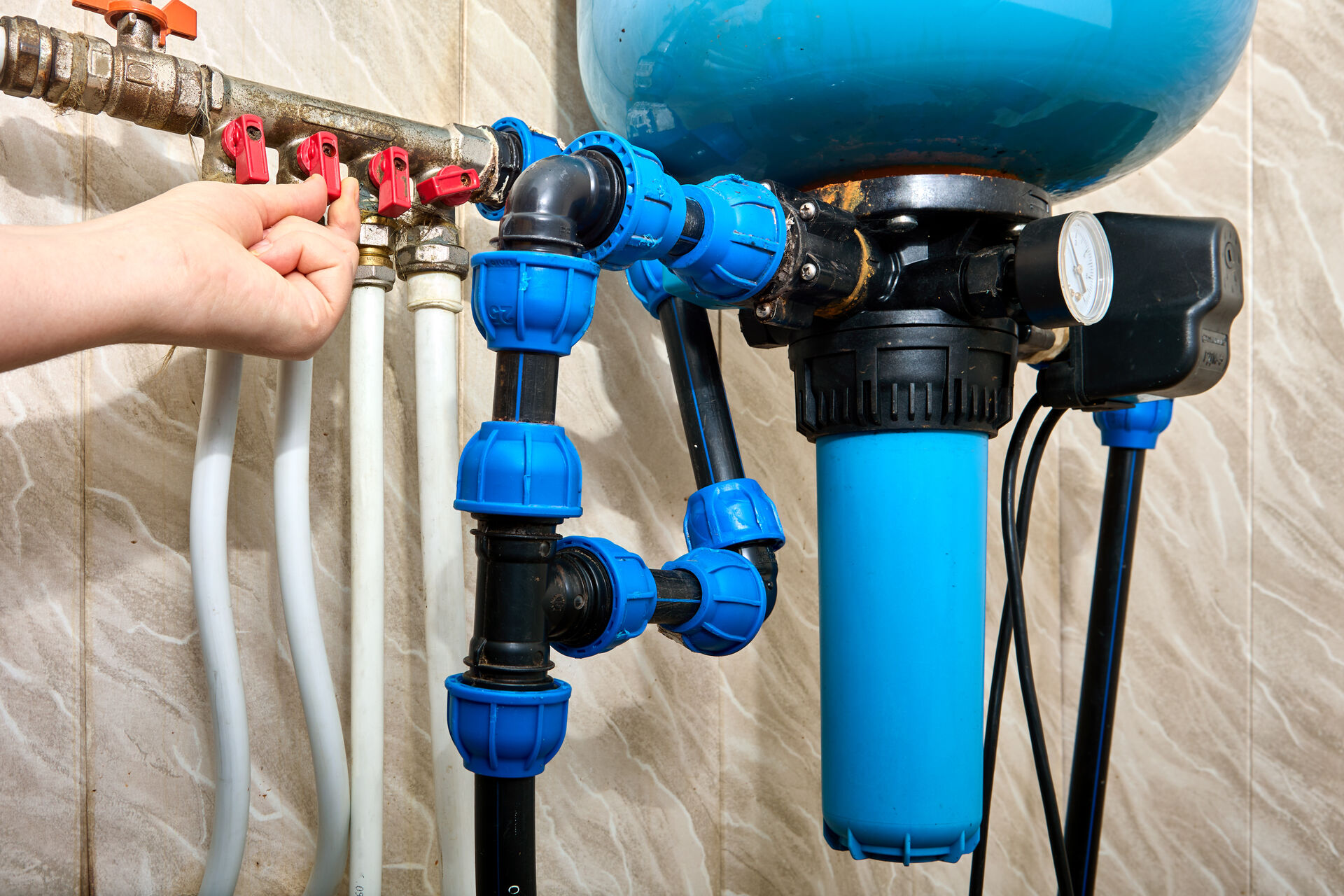
Ion exchange water softeners are the standard solution for hard water at San Antonio hardness levels. The system consists of a resin tank and a brine tank. The resin tank contains negatively charged resin beads pre-loaded with sodium ions. Hard water from the main supply line passes through the resin tank. Calcium and magnesium ions, which carry a positive charge, bind to the resin beads and are replaced by sodium ions. The result is softened water that flows to every fixture, appliance, and faucet in the home.
Over time, the resin beads become saturated with calcium and magnesium and need to be recharged. During regeneration, a concentrated salt solution (brine) from the brine tank is flushed through the resin tank. The brine strips the captured minerals off the resin beads and rinses them to drain. The resin is then recharged with sodium and ready to soften again. Demand-initiated (metered) softeners track actual water usage and trigger regeneration only when the resin approaches capacity. Timer-based models regenerate on a fixed schedule regardless of usage. For San Antonio households at 15 to 20 gpg, demand-initiated regeneration saves meaningful amounts of salt over the system lifetime.
Salt free conditioners (also called template-assisted crystallization or TAC systems) are sometimes marketed as alternatives to ion exchange softeners. These systems do not remove calcium and magnesium from the water. They alter the crystalline structure of calcium carbonate to reduce scale adhesion on pipe surfaces. At San Antonio hardness levels, most homeowners who try salt free systems report continued scaling on glass, fixtures, and dishwasher interiors, because the mineral load is too high for TAC conditioning to manage effectively.
For more detail on how softeners compare to filtration systems for San Antonio water, read our guide: Water Softener vs Water Filter for San Antonio.
Choosing the right size water softener for your San Antonio home
Water softener capacity is measured in grains, referring to the total amount of hardness mineral the resin can remove before needing to regenerate. Sizing a softener correctly for San Antonio water means accounting for both household size and local hardness.
A commonly used sizing formula: multiply the number of people in the household by their average daily water use in gallons (typically 75 to 100 gallons per person per day), then multiply by the water hardness in grains per gallon. This gives you the daily grain load the softener must handle. Size the system so it regenerates every three to four days, which minimizes salt use while maintaining consistent softening.
Sizing example for a San Antonio family of four:
- 4 people x 75 gallons per day = 300 gallons per day
- 300 gallons x 17.5 gpg (midpoint of 15 to 20) = 5,250 grains per day
- 5,250 grains x 4 days between regenerations = 21,000 grains minimum capacity
- Adding a 50% safety buffer: 21,000 x 1.5 = 31,500 grains minimum
- Recommendation: 32,000 to 48,000 grain system as minimum; 48,000 to 64,000 grain for higher usage or harder zones.
An undersized softener exhausts its resin capacity before regenerating, allowing hard water to pass through to your home. An oversized softener regenerates less frequently than optimal, which can affect resin bed efficiency over time. True H2O calculates the right capacity based on your actual water test results and household situation before recommending any equipment.
Water softener cost in San Antonio
Professionally installed water softener costs in San Antonio range from approximately 1,500 to 3,500 dollars for a standard single-family home installation. Verify current pricing with two to three local installers, as equipment costs shift with market conditions.
Standard install
$1,500 to $2,200
32,000 to 48,000 grain capacity, demand-initiated regeneration, accessible utility room installation
Mid-range install
$2,200 to $3,000
48,000 to 64,000 grain capacity, high-efficiency unit, basic bypass valve upgrade
Premium install
$3,000 to $3,500+
64,000+ grain capacity, complex installation, combined softener and filtration system
Ongoing costs include water softener salt at 10 to 20 dollars per 40-pound bag. Most San Antonio households at 15 to 20 gpg use one to two bags per month with a demand-initiated softener. Annual professional inspection and service typically runs 75 to 150 dollars and is recommended given the high mineral load San Antonio softeners process.
For a complete cost breakdown including what drives pricing differences, salt efficiency comparisons, and leasing versus buying analysis, read our full guide: How Much Does a Water Softener Cost in San Antonio?
What to expect during water softener installation
The True H2O installation process follows these steps. Most San Antonio home installations are complete in two to three hours.
Free in-home water test
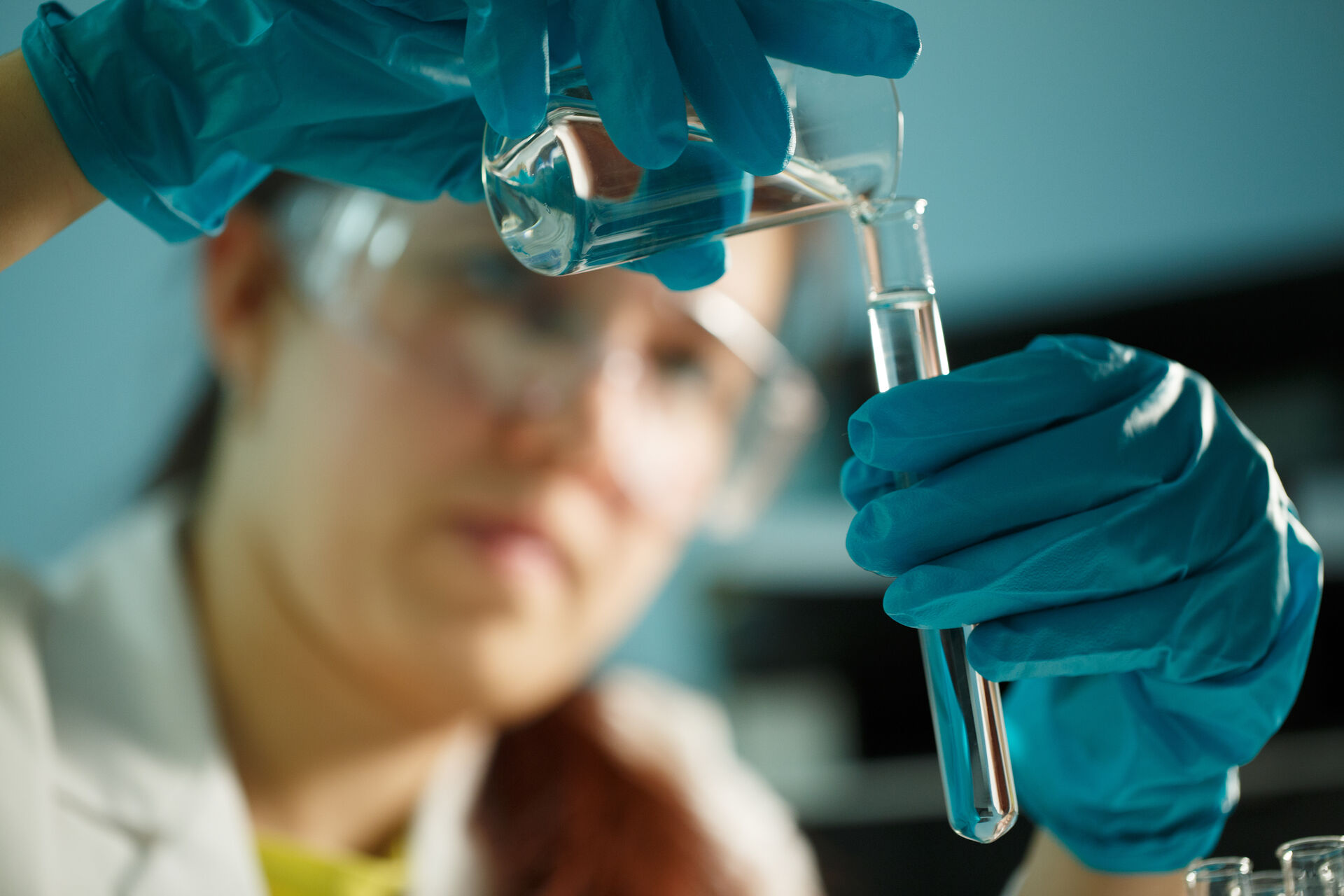
A True H2O specialist tests your tap water for hardness, chlorine, pH, and total dissolved solids using calibrated instruments. Results are explained on the spot. No obligation to purchase anything.
System sizing and quote
Based on your water test results and household size, we recommend the right grain capacity and provide a written quote. We explain what you are buying and why before any commitment.
Installation day
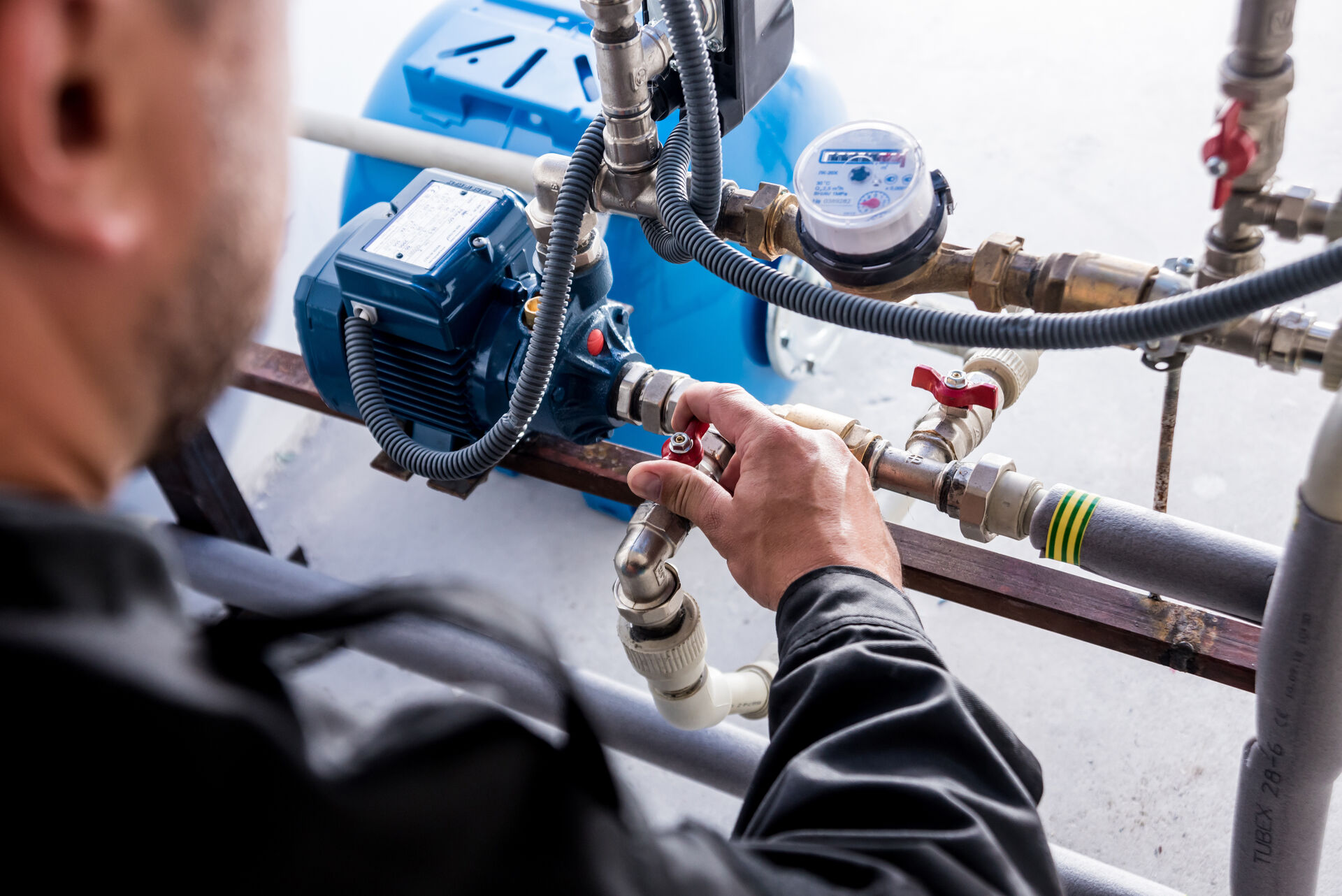
We position the resin and brine tanks at your main water entry point, connect to the supply line, establish the drain connection, install a bypass valve for outdoor hose bibs, program the control head to your hardness level, and add the initial salt charge.
Initial regeneration and verification
We run an initial regeneration cycle to confirm the system is flushing and recharging correctly. We verify soft water at a tap before leaving your home.
Post-installation check
Two to four weeks after installation, we follow up to confirm the system is maintaining soft water at your tap and that you are satisfied with the results.
Service areas around San Antonio
True H2O installs and services water softeners throughout the San Antonio metro and surrounding communities. Each area has its own water utility and hardness profile.
15 to 20 gpg (SAWS)
15 to 20 gpg (SAWS)
15 to 20 gpg (SAWS)
~17 gpg (Edwards wells)
~12 gpg (SSLGC/Carrizo)
~12 gpg (SSLGC/Carrizo)
~15 gpg (NBU/Trinity)
~15 gpg (NBU/Trinity)
~17 gpg (Edwards wells)
~15 gpg (Carrizo-Wilcox)
~12 gpg (San Marcos Springs)
Related guides for San Antonio homeowners
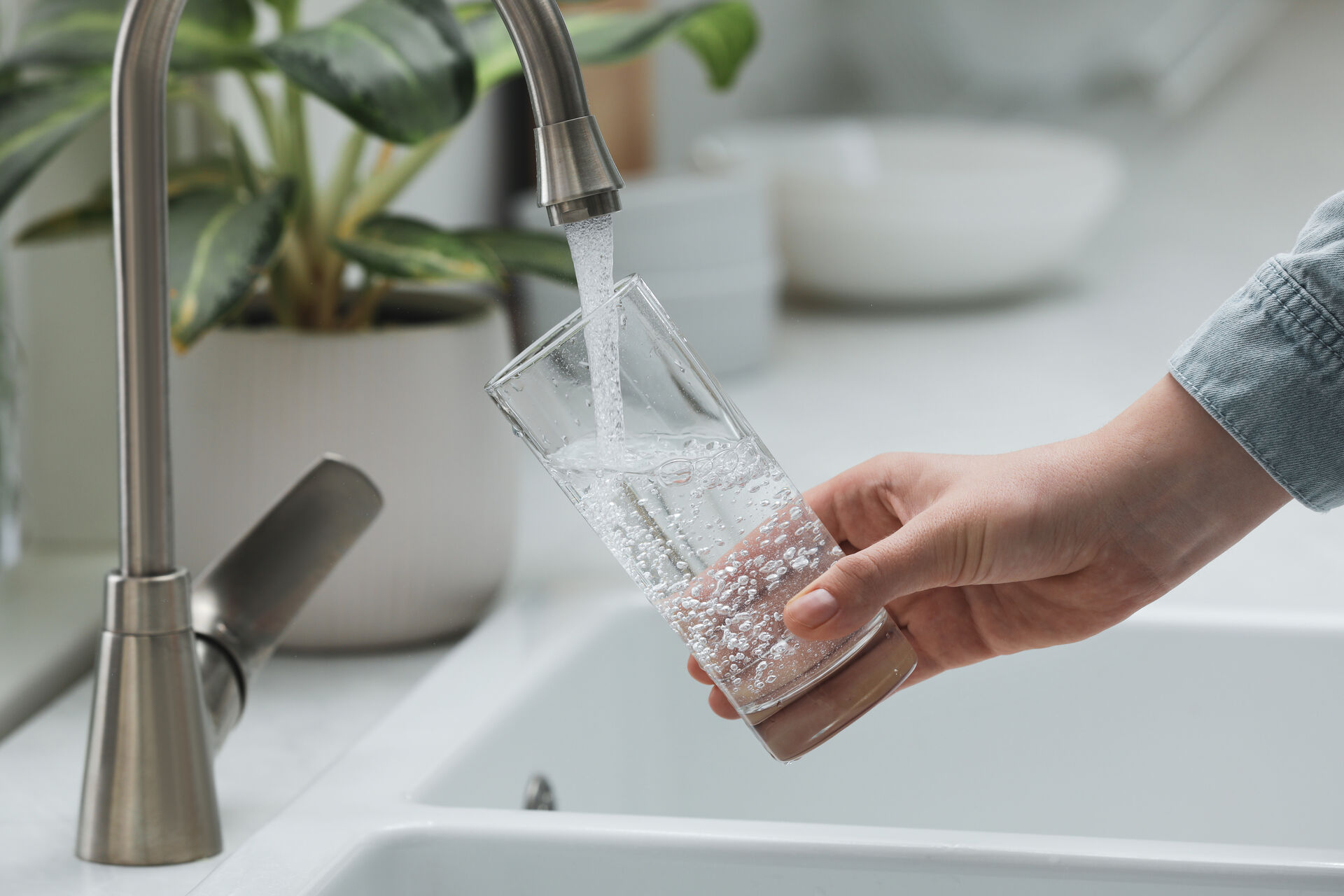
Does San Antonio Have Hard Water?
Edwards Aquifer hardness data, what it means for your home, and how to confirm your specific tap reading.
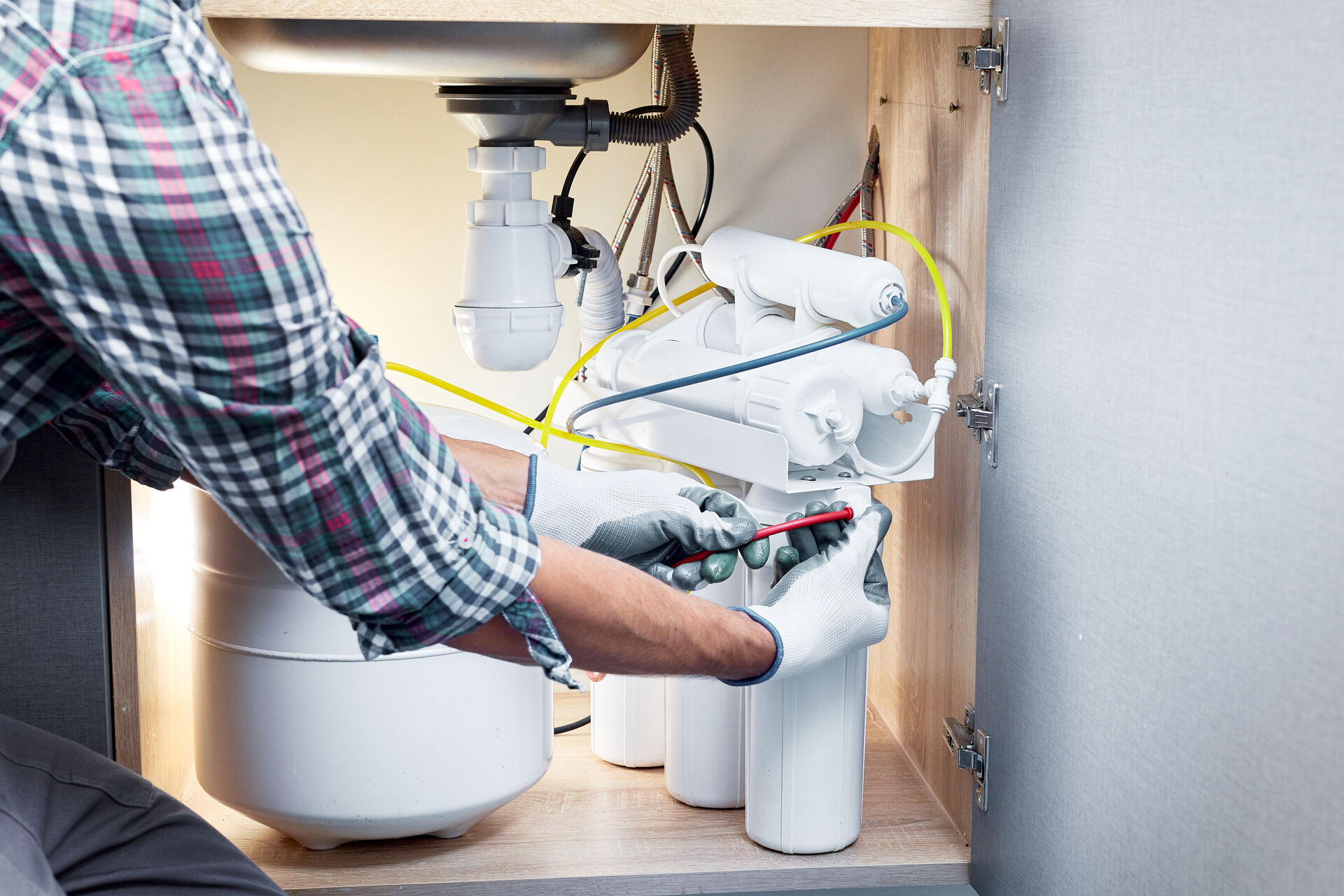
Water Softener Cost in San Antonio
2026 price breakdown for equipment, installation, and ongoing salt costs across San Antonio and Bexar County.
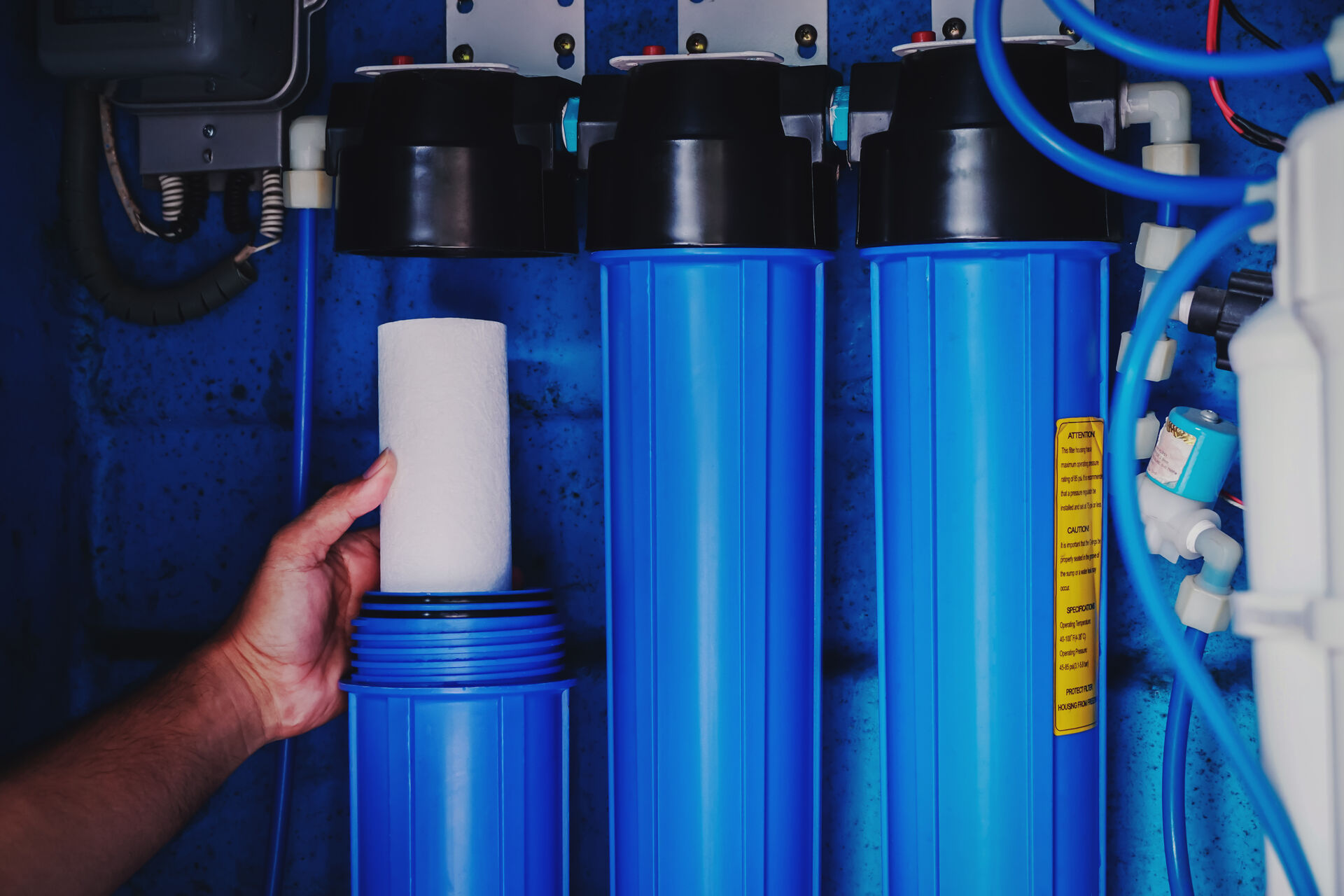
Water Softener vs Water Filter
Which system solves San Antonio's specific water quality problems and whether you need one or both.
How to Test Water Quality at Home
Comparing test strips, TDS meters, mail-in labs, and free professional testing for San Antonio homeowners.
PFAS in San Antonio Water
What the 2026 SAWS PFAS test results show and what San Antonio homeowners should know about forever chemicals.
Water Softener Installation in Converse, TX
Local guide for Converse homeowners: water utility, hardness data, installation cost, and what to expect.
Frequently asked questions
How much does a water softener cost in San Antonio?
A professionally installed ion exchange water softener in San Antonio typically costs 1,500 to 3,500 dollars including equipment and labor. System capacity, brand, and installation complexity all affect the final price. Verify current quotes with licensed local installers before deciding. True H2O provides free water testing and no-obligation quotes at (210) 726-6895.
Does San Antonio need a water softener?
Most San Antonio homeowners benefit significantly from a water softener. SAWS water from the Edwards Aquifer tests at 15 to 20 grains per gallon, which falls in the very hard category and shortens water heater life, causes scale in dishwashers, and leaves mineral deposits throughout the home. A softener typically pays for itself in appliance protection within five to seven years for a family of four.
How hard is San Antonio water?
San Antonio Water System reports hardness of 15 to 20 grains per gallon across most of its service zone. The national average is approximately 10 grains per gallon. The Water Quality Association classifies water above 14 grains per gallon as very hard. San Antonio's hardness comes from the Edwards Aquifer, a limestone formation beneath the Texas Hill Country that naturally adds calcium and magnesium to the water supply.
What size water softener do I need for San Antonio?
Most San Antonio households need a 48,000 to 64,000 grain capacity water softener. The right size depends on household size and water usage. A family of four using SAWS water at 15 to 20 grains per gallon typically needs at least a 48,000 grain unit to regenerate every three to four days. True H2O calculates the right capacity based on a free in-home water test and your household size before recommending any equipment.
How long does water softener installation take in San Antonio?
A standard water softener installation in a San Antonio home takes two to three hours. This includes connecting to the supply line, setting up the drain connection, programming the control head, and running an initial regeneration cycle. More complex installations with challenging utility room access or additional plumbing work can take longer. Soft water effects are noticeable in the shower and dishwasher within 24 to 48 hours.
What areas does True H2O serve in San Antonio?
True H2O serves all of Bexar County and surrounding communities including Converse, Universal City, Helotes, Schertz, Cibolo, New Braunfels, Boerne, and San Marcos. Call (210) 726-6895 to schedule a free in-home water test and installation quote for your specific address.
Ready to know exactly what is in your San Antonio water?
Schedule a free in-home water test. We read your tap water for hardness, chlorine, pH, and total dissolved solids, explain what the results mean, and recommend a system only if the data supports it.
True H2O serves all of Bexar County and surrounding communities. No cost. No obligation.