San Antonio, TX | Bexar County
What Is H2O? San Antonio Water Quality Guide
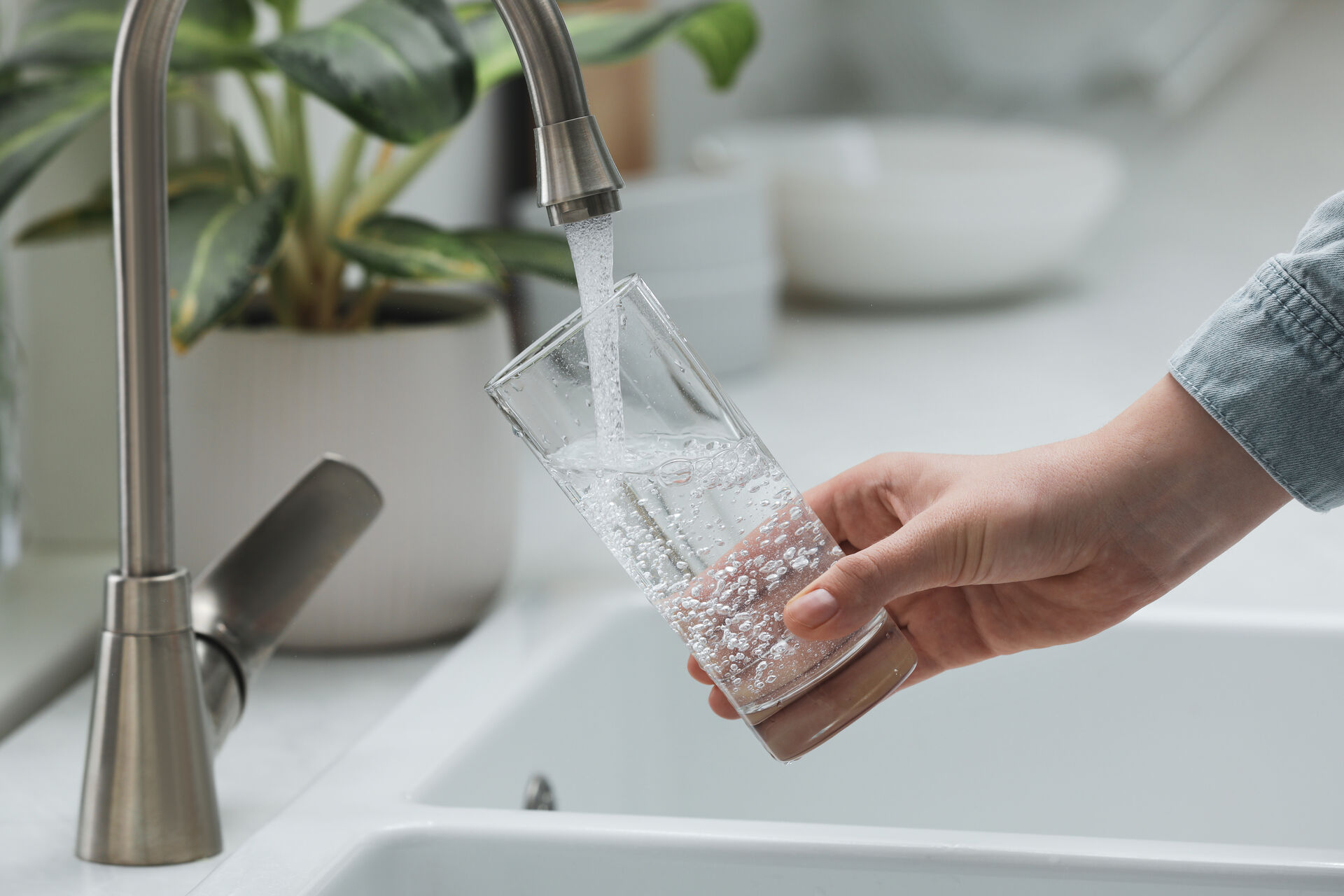
H2O is the chemical formula for water: two hydrogen atoms bonded to one oxygen atom. Pure H2O is colorless, odorless, and tasteless. San Antonio tap water is H2O plus dissolved minerals from the Edwards Aquifer, primarily calcium and magnesium, that make Bexar County one of the hardest water markets in the United States. SAWS water typically tests at 15 to 20 grains per gallon, well above the 14 grains per gallon threshold for very hard classification. That hardness is not a health risk, but it shortens water heater life, causes scale on fixtures, makes soap less effective, and leaves mineral film on dishes and glass. This guide covers what is in San Antonio H2O, why the Edwards Aquifer makes it so hard, whether tap water is safe, and what treatment options actually fix the problem. All assessments start with a free in-home water test. Call True H2O at (210) 726-6895 to schedule yours.
Last updated: July 25, 2026
What is H2O?
H2O is the molecular formula for water. Each molecule contains two hydrogen atoms (H2) covalently bonded to one oxygen atom (O). That specific arrangement gives water its unique physical and chemical properties: the ability to dissolve an enormous range of substances, its unusually high boiling point relative to its molecular weight, and its role as the foundation of all known biological life.
In everyday use, H2O and water are used interchangeably. But the H2O coming from your San Antonio tap is not pure H2O. It is a solution of H2O molecules carrying dissolved calcium carbonate, magnesium, trace chlorine from disinfection treatment, fluoride (at naturally occurring levels since SAWS discontinued intentional fluoridation in August 2026), and other minerals from the Edwards Aquifer and supplemental sources. Each of those dissolved substances affects how the water tastes, how it behaves with soap, how it interacts with your plumbing, and how it ages your appliances.
The U.S. Geological Survey defines hardness as the concentration of calcium and magnesium dissolved in water, expressed as milligrams per liter of calcium carbonate equivalent or as grains per gallon. You can verify current hardness science at the USGS Water Science School. San Antonio H2O from the Edwards Aquifer routinely carries calcium and magnesium at levels that place it in the very hard category by any standard classification.
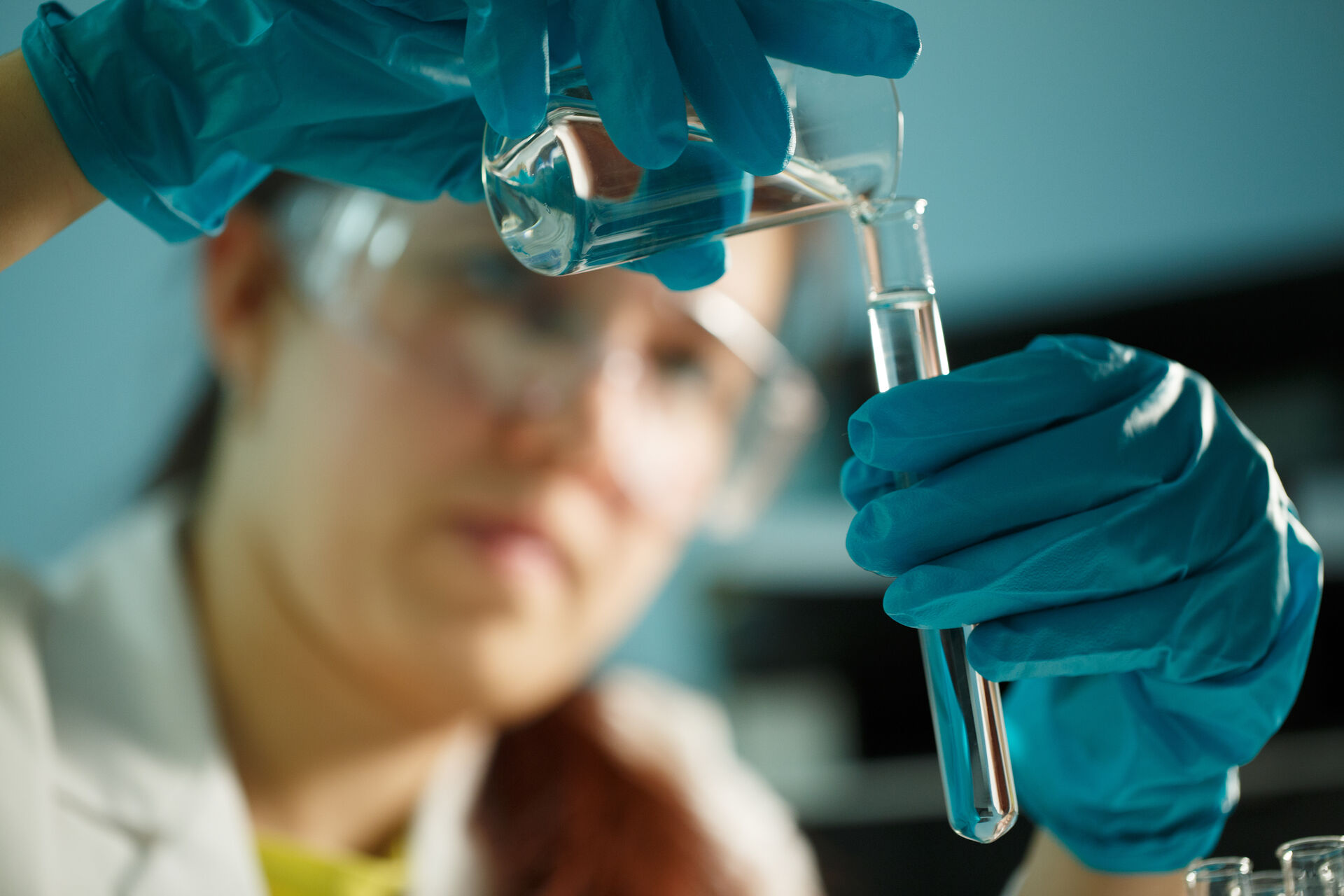
Understanding what is dissolved in your H2O is the first step toward choosing the right treatment. A free professional water test measures hardness, pH, iron, chlorine, and other key parameters at your actual tap, which can vary from the SAWS average depending on your location, pipe age, and service zone. True H2O provides in-home testing across San Antonio and surrounding communities at no charge.
What is in San Antonio tap H2O?
San Antonio Water System (SAWS) draws most of its supply from the Edwards Aquifer, a karst limestone formation beneath eight counties in south-central Texas. As groundwater moves through limestone over thousands of years, it dissolves calcium and magnesium carbonate at concentrations that are unusually high by national standards. SAWS supplements the Edwards Aquifer with the Carrizo Aquifer, Trinity Aquifer production wells, and the Vista Ridge Pipeline originating in Burleson County. Each source has a different mineral profile, which is why hardness can vary slightly by service zone.
The SAWS annual Consumer Confidence Report (CCR) is the authoritative source for what is in your San Antonio tap water. Verify current figures at saws.org before making any treatment decisions, as hardness levels and contaminant readings shift year to year based on aquifer levels and source blending. SAWS is required by the EPA under the Safe Drinking Water Act to publish this report annually.
Hardness
15 to 20 gpg
Very hard classification (verify at saws.org)
Calcium carbonate
250 to 340 ppm
From Edwards Aquifer limestone
pH
7.4 to 8.0
Slightly alkaline from limestone contact
Safety status
Meets EPA standards
Annual CCR published by SAWS
SAWS also disinfects water with chloramine (a chlorine and ammonia combination) rather than free chlorine in most of its distribution system. Chloramine is more stable in distribution but can contribute an off-taste or odor in some homes, particularly those with older pipes. Carbon filtration removes chloramine effectively and is often paired with water softener installations in San Antonio homes where taste is a concern.
Is San Antonio tap water safe to drink?
Yes, by EPA standards. SAWS is required to test for over 90 regulated contaminants and report the results in its annual Consumer Confidence Report. San Antonio tap water meets all federal Safe Drinking Water Act maximum contaminant levels. The hardness in San Antonio H2O is not a health risk; calcium and magnesium are naturally occurring minerals and the EPA does not regulate them as contaminants.
That said, meeting EPA standards and being optimal for your home are different things. Very hard water causes real problems: it shortens water heater life by several years, clogs aerators and showerheads with mineral scale, requires more detergent to clean effectively, and leaves white deposits on dishes, fixtures, and glass. None of these are health issues, but they represent real ongoing costs that a water softener eliminates.
PFAS (per and polyfluoroalkyl substances, sometimes called forever chemicals) have received significant attention in San Antonio. SAWS has conducted testing under EPA PFAS regulations. Verify current PFAS data directly in the SAWS CCR at saws.org. A reverse osmosis system removes PFAS to non-detectable levels in independent laboratory testing and is the most effective residential technology for PFAS reduction. True H2O installs RO systems throughout Bexar County.
If you are concerned about specific contaminants at your address, a professional water test is more informative than city-wide averages. Older homes with galvanized or lead-containing solder joints may have elevated lead at the tap even when the SAWS distribution water is within standards. The EPA recommends testing your tap if your home was built before 1986. Contact True H2O at (210) 726-6895 to schedule a free in-home test.
Why is San Antonio H2O so hard?
The Edwards Aquifer is a karst system formed in limestone. Karst aquifers are characterized by caves, sinkholes, and fractures through which water moves quickly, picking up dissolved calcium and magnesium carbonate as it goes. The Edwards Aquifer sits beneath the Balcones Escarpment, where the Hill Country limestone is exceptionally thick and calcium-rich. That geology is why San Antonio water is consistently harder than the national average and harder than most major Texas cities.
SAWS reports hardness across its service zones between 250 and 340 milligrams per liter as calcium carbonate, which converts to roughly 15 to 20 grains per gallon. The national average is approximately 10 grains per gallon, according to the USGS Water Science School. The Water Quality Association classifies 7 to 10 gpg as hard and above 14 gpg as very hard. Most San Antonio addresses fall squarely in the very hard range.
SAWS blends the Edwards supply with the Carrizo Aquifer and Vista Ridge Pipeline water, which have different mineral profiles. Communities on the edges of the SAWS footprint and smaller utility districts in Bexar County (such as Helotes, Leon Valley, or areas served by well water) may see readings that differ from the SAWS average. A few subdivisions in Converse and Universal City draw from different groundwater sources with somewhat lower hardness. An in-home water test at your specific tap is the only way to know your actual hardness number.
Communities True H2O serves include Boerne, Schertz, New Braunfels, Cibolo, Converse, Helotes, Universal City, and San Marcos, each with its own groundwater profile. Boerne, drawing from Edwards Aquifer wells, often tests even harder than central San Antonio at 17 to 20 gpg.
What does H2O hardness do to your home?
Hard H2O causes problems through a straightforward mechanism: when hot water evaporates or is heated, the dissolved calcium and magnesium carbonate precipitate out as solid scale. That scale accumulates everywhere your water flows and heats.
- Water heater life: Scale builds on the heating element and tank bottom, insulating it from the water and forcing it to run longer. A water heater in San Antonio without softening can lose 25 to 40 percent of its efficiency within three to five years. Tank heater life averages six to eight years in hard water versus twelve or more years with softened supply.
- Appliance longevity: Dishwashers, washing machines, and coffee makers all accumulate scale in valves, heating elements, and spray arms. Very hard water can cut appliance life by 30 to 50 percent compared to soft water, according to the Water Quality Research Foundation.
- Fixtures and faucets: Calcium carbonate deposits leave white chalky rings around faucet bases, clog aerators, and fill showerhead nozzles. Mineral buildup eventually requires replacement of aerators and showerheads that would otherwise last indefinitely.
- Cleaning efficiency: Calcium and magnesium react with soap to form calcium stearate (soap scum), reducing lather and effectiveness. You typically need 50 to 75 percent more soap and detergent with very hard water than with softened water. Dishes come out of the dishwasher with a film; laundry feels stiff and fades faster.
- Skin and hair: Soap scum residue on skin creates a layer that feels dry and irritating. Hard water can worsen eczema and psoriasis in sensitive individuals. Hair exposed to hard water often feels dull and tangles more easily because mineral deposits coat the hair shaft.
The total annual cost of hard water damage to a San Antonio household varies by home size and appliance inventory but is typically measured in hundreds of dollars per year in excess detergent, accelerated appliance replacement, and higher energy bills. A water softener installation in San Antonio typically costs 1,500 to 3,500 dollars and pays for itself in appliance protection for most households within five to seven years. Verify current cost ranges with qualified local installers before deciding.
Find out exactly what is in your H2O
A free in-home water test measures your actual hardness, pH, iron, and chlorine at your tap. No cost, no obligation. Results in minutes.
How do you improve H2O quality in San Antonio?
Treatment decisions should follow a water test, not precede it. Different problems require different solutions, and stacking the wrong systems wastes money. That said, for most San Antonio homes, the hierarchy of treatment needs is predictable given the Edwards Aquifer supply profile.
1. Ion exchange water softener
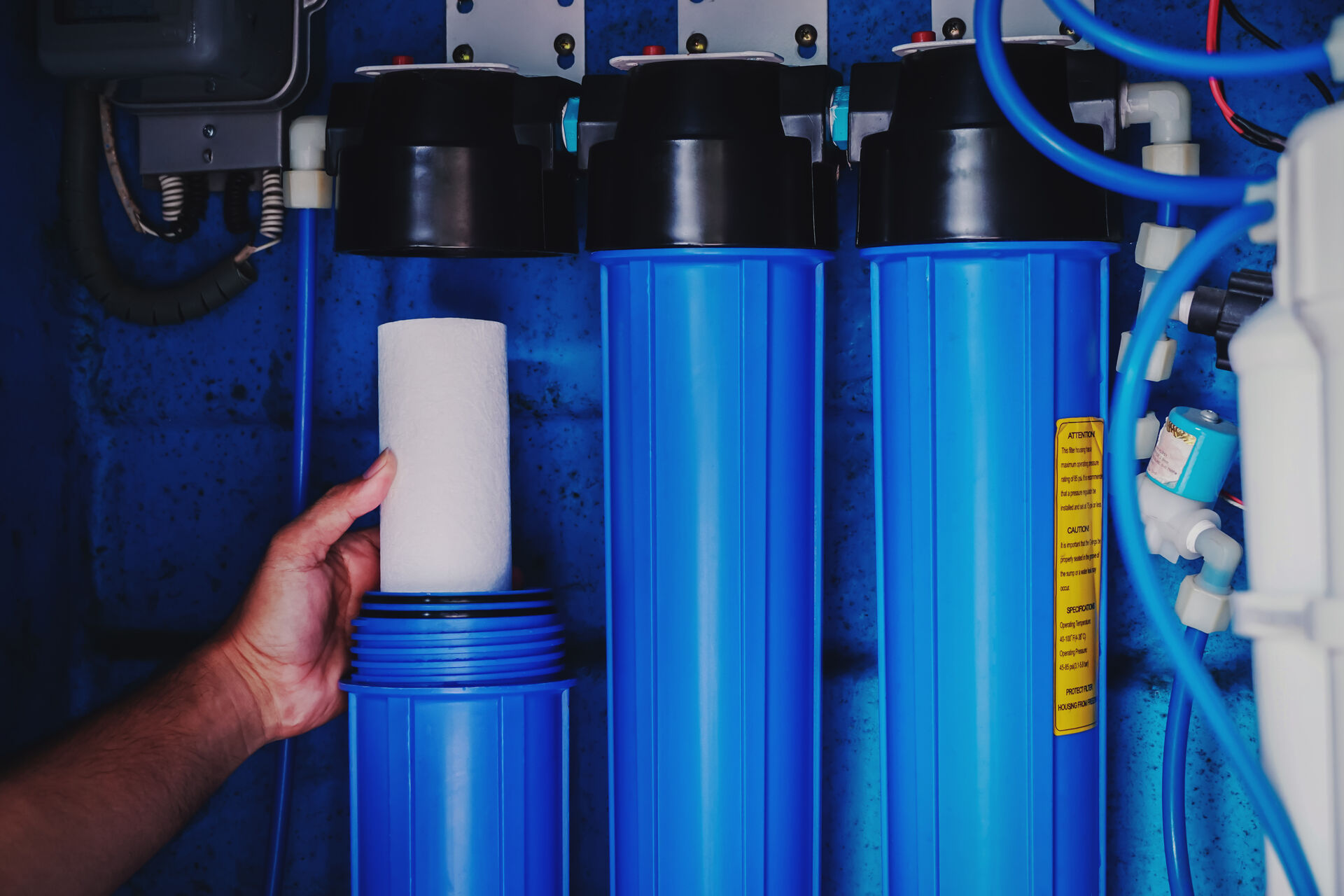
The primary treatment for San Antonio hardness. Removes calcium and magnesium by exchanging them for sodium across a resin bed, protecting all plumbing and appliances. A 48,000 to 64,000 grain capacity unit handles most Bexar County households. True H2O sizes, installs, and services softeners across San Antonio and surrounding communities. Installation takes two to three hours. Soft water effects appear within 24 hours.
2. Reverse osmosis for drinking water
An under-sink or countertop RO system filters drinking and cooking water through a semipermeable membrane that rejects 90 to 99 percent of dissolved solids including residual hardness minerals, chloramine, nitrates, and PFAS. Produces noticeably cleaner tasting water than untreated San Antonio tap at a fraction of bottled water cost. True H2O installs under-sink RO systems that pair well with softened supply.
3. Whole-home carbon filtration
For homes where chloramine taste and odor is a concern, a whole-home carbon filter installed at the point of entry removes chloramine and other volatile organics from all water in the house before it reaches any fixture. Often combined with a softener for comprehensive treatment. True H2O offers whole-home filtration across New Braunfels and greater Bexar County.
The right combination depends on your specific test results, household size, and budget. True H2O provides free consultations alongside free water testing at (210) 726-6895. We do not recommend equipment we have not tested for your water.
Frequently asked questions about San Antonio H2O
What is H2O?
H2O is the chemical formula for water, representing two hydrogen atoms bonded to one oxygen atom. Pure H2O is a colorless, tasteless liquid. Tap water is H2O plus dissolved minerals, trace chemicals, and treatment additives. San Antonio H2O from the Edwards Aquifer contains elevated calcium and magnesium that make it among the hardest municipal water in the United States.
Is San Antonio tap water safe to drink?
Yes. San Antonio Water System (SAWS) publishes an annual Consumer Confidence Report confirming all regulated contaminants meet EPA Safe Drinking Water Act standards. The hardness in San Antonio H2O is not a health concern, though it damages appliances and plumbing over time. For the latest confirmed safety data, verify with the SAWS water quality report at saws.org before making any treatment decisions.
How hard is San Antonio water?
SAWS water from the Edwards Aquifer typically tests at 15 to 20 grains per gallon (approximately 250 to 340 ppm as calcium carbonate). The Water Quality Association classifies anything above 14 grains per gallon as very hard. San Antonio consistently ranks among the hardest water cities in the country. Verify your specific address reading with a free in-home test from True H2O at (210) 726-6895.
What does a water softener do to H2O?
A water softener removes calcium and magnesium ions from H2O through ion exchange, replacing them with a small amount of sodium. The result is soft water that does not leave scale on fixtures, cleans more effectively with less soap, extends water heater and appliance life, and feels noticeably different in the shower. A properly sized ion exchange softener is the standard treatment for San Antonio hardness levels.
Does reverse osmosis improve H2O quality?
Yes. A reverse osmosis system filters tap H2O through a semipermeable membrane that removes dissolved solids including calcium, magnesium, chlorine, nitrates, and many other contaminants. Most RO systems reduce total dissolved solids by 90 to 99 percent, producing drinking water that tastes significantly cleaner than untreated San Antonio tap water. True H2O installs under-sink and whole-home RO systems across Bexar County.
What areas does True H2O serve for water quality testing?
True H2O provides free in-home water quality testing across San Antonio, Bexar County, and surrounding communities including Boerne, New Braunfels, Schertz, Converse, Universal City, Helotes, Cibolo, and San Marcos. Call (210) 726-6895 to schedule testing at your specific address.
Related water quality guides
San Antonio Water Softener Installation Guide
Everything about water softener selection, sizing, cost, and installation for Bexar County homeowners.
Free Water Testing in San Antonio
Schedule a professional in-home water test to measure hardness, pH, iron, and other key parameters at your tap.
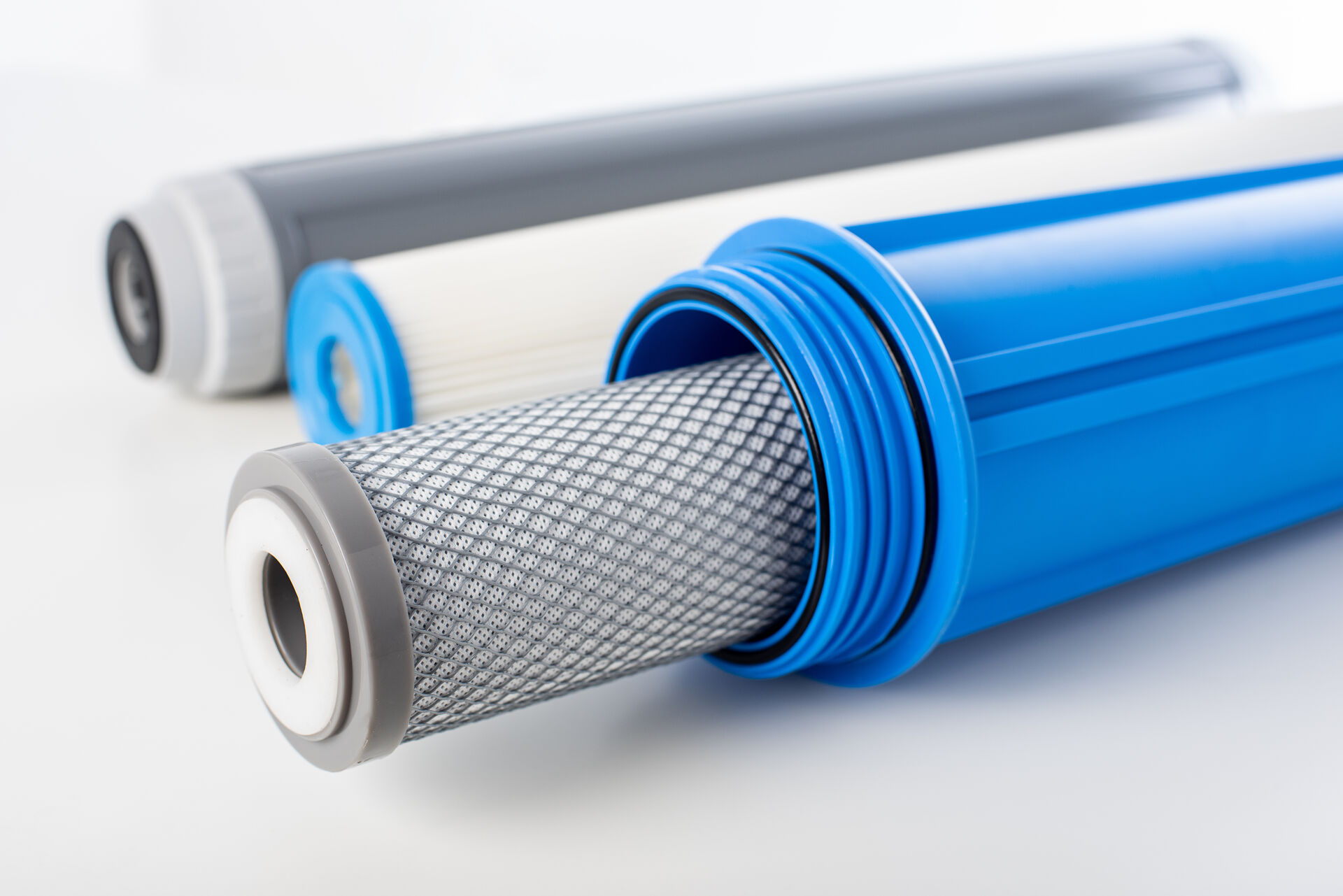
Water Treatment Services
Water softeners, reverse osmosis systems, whole-home filtration, and water testing for San Antonio homes.
Ready to improve your San Antonio H2O?
True H2O provides free in-home water testing, professional water softener installation, and reverse osmosis systems across San Antonio and Bexar County. No pressure. No upsell. Just a free test and honest recommendations.
Serving San Antonio, Boerne, New Braunfels, Schertz, Converse, Helotes, Cibolo, Universal City, and San Marcos.